8 days 7 nights
Specific Tour
21 people
Mandarin
• Assemble at Airport for your departure flight to Henan Province- Zhengzhou.
• Upon arrival, transfer to the hotel for check-in. Overnight at Hesheng Yisi De Hotel or similar.
• Drive to Kaifeng to visit the Bao Gong Temple– a restored memorial to the famous upright official of ancient China. It boasts the most comprehensive collection of information and is the largest and most influential memorial site in China.
• Qingming Riverside Landscape Garden is a large-scale historical and cultural theme park. Stepping into the park feels like traveling through the streets of the Northern Song Dynasty, strolling through a painting. In addition, the park features a post station, folk customs exhibits, a specialty food street, and Song Dynasty cultural displays. Enjoy various folk performances, immersive interactive experiences, and the "Great Song Dynasty Never Sleeps" area.
• Overnight at Hesheng Yisi De Hotel or similar.
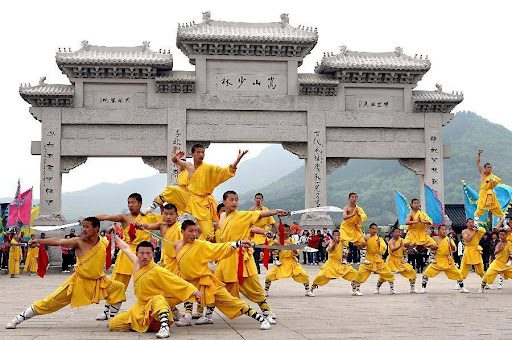
• This morning, visit the birthplace of Chinese Kung Fu – Shaolin Temple on Mount Song (one-way electric cart and headphones included). Famous for the Shaolin Kung Fu meticulously developed and refined by generations of Shaolin monks, it is a World Cultural Heritage site and a national 4A-level tourist attraction. Afterwards, visit the Pagoda Forest and watch a spectacular Shaolin Kung Fu performance.
• Drive to Luoyang to visit Luoyi Ancient City (traditional costume photo opportunity + simple makeup), located in the old city of Luoyang, Henan Province. View the exterior of Yingtian Gate.
• Overnight at Licheng Ruixuan Hotel or similar.
• China Sancai Cultural Park (also known as Zhangjia Cai Kiln): This is the birthplace of "Tang Sancai," a national intangible cultural heritage. A type of low-temperature glazed pottery popular during the Tang Dynasty, it is fired at temperatures reaching 1000 degrees Celsius, compared to the 2000 degrees Celsius required for porcelain. The colors are primarily yellow, green, and white, hence the name "Tang Sancai."
• Sui and Tang Dynasty Luoyang City Ruins: This is the center of the Sui and Tang Grand Canal and the eastern starting point of the Silk Road. Empress Wu Zetian established her capital here and renamed it "Shen Du" (Divine Capital). Visit the Heavenly Halland the Lijing Gate (excluding climbing the tower).
• Free time for shopping at the Shizijie Night Market.
• Overnight at the Licheng Ruixuan Hotel or similar.
• Today, we will visit the Longmen Grottoes, a UNESCO World Heritage Site (including round-trip electric cart and headphones). It is the world's largest and most abundant repository of stone carvings, recognized by UNESCO as "the pinnacle of Chinese stone carving art," ranking first among all grottoes in China. There are currently 2,345 caves and niches containing over 110,000 statues. The scenic area comprises four attractions: the West Hill Grottoes, the East Hill Grottoes, Xiangshan Temple, and Baiyuan Garden. Notable grotto sculptures include the Vairocana Buddha, sculpted by Empress Wu Zetian based on her own likeness; the Guyang Cave carved by Emperor Xiaowen for Empress Dowager Feng; and the portrait of Prince Lanling taken from the Wanfo Cave.
• Proceed to Three Gorges Gate to visit the Shanzhou Pit-Dwelling Courtyards – the only underground residential architecture in China and even the world, one of my country's four unique ancient residential architectures, hailed as "ancient villages below ground level, living fossils of residential history." The pit-style courtyard houses are sturdy, durable, windproof, soundproof, warm in winter and cool in summer, and earthquake-resistant.
• Swan Lake Wetland Park - Composed of the Shuanglong Lake Swan Viewing Area, Shanzhou Ancient City, and the Yellow River Ecological Forest Belt, it is a national AAAA-level tourist attraction integrating ecological protection and cultural landscape. (Swan viewing is available from November to March.)
• Overnight at Wanda Meihua Hotel or similar.
• Morning drive to Lintong to visit the Qin Shi Huang Terracotta Army Museum (including one-way electric cart and headphones), also known as the Qin Shi Huangdi Mausoleum Museum. It is the largest ancient military museum in China, built on the original site of a large burial pit within the Qin Shi Huang Mausoleum complex, using terracotta warriors and horses as its foundation. The museum contains three pits (Pits 1, 2, and 3) with nearly 8,000 terracotta figures and horses, similar in size to real people and horses, depicting different types of soldiers including charioteers, cavalry, and infantry, all arranged in an orderly fashion.
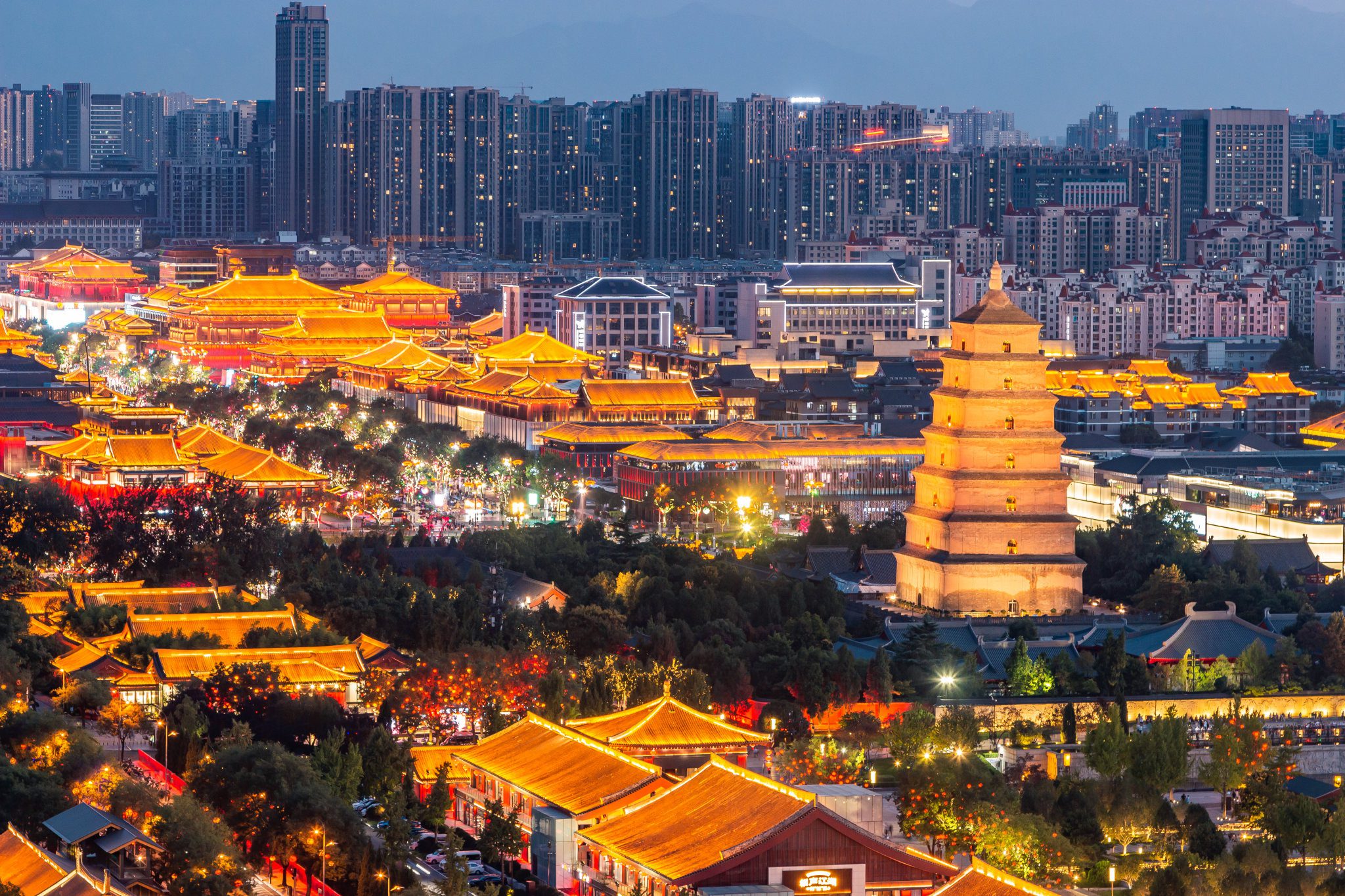
• Yongxingfang Food Street - a distinctive food and commercial street, also one of the 108 wards of the Tang Dynasty, and formerly the residence of Wei Zheng.
• Overnight at the Jinhui Pullman Hotel or similar.
• After breakfast, proceed to Daxing International Airport for your departure flight back to sweet home.

Member Since 2023